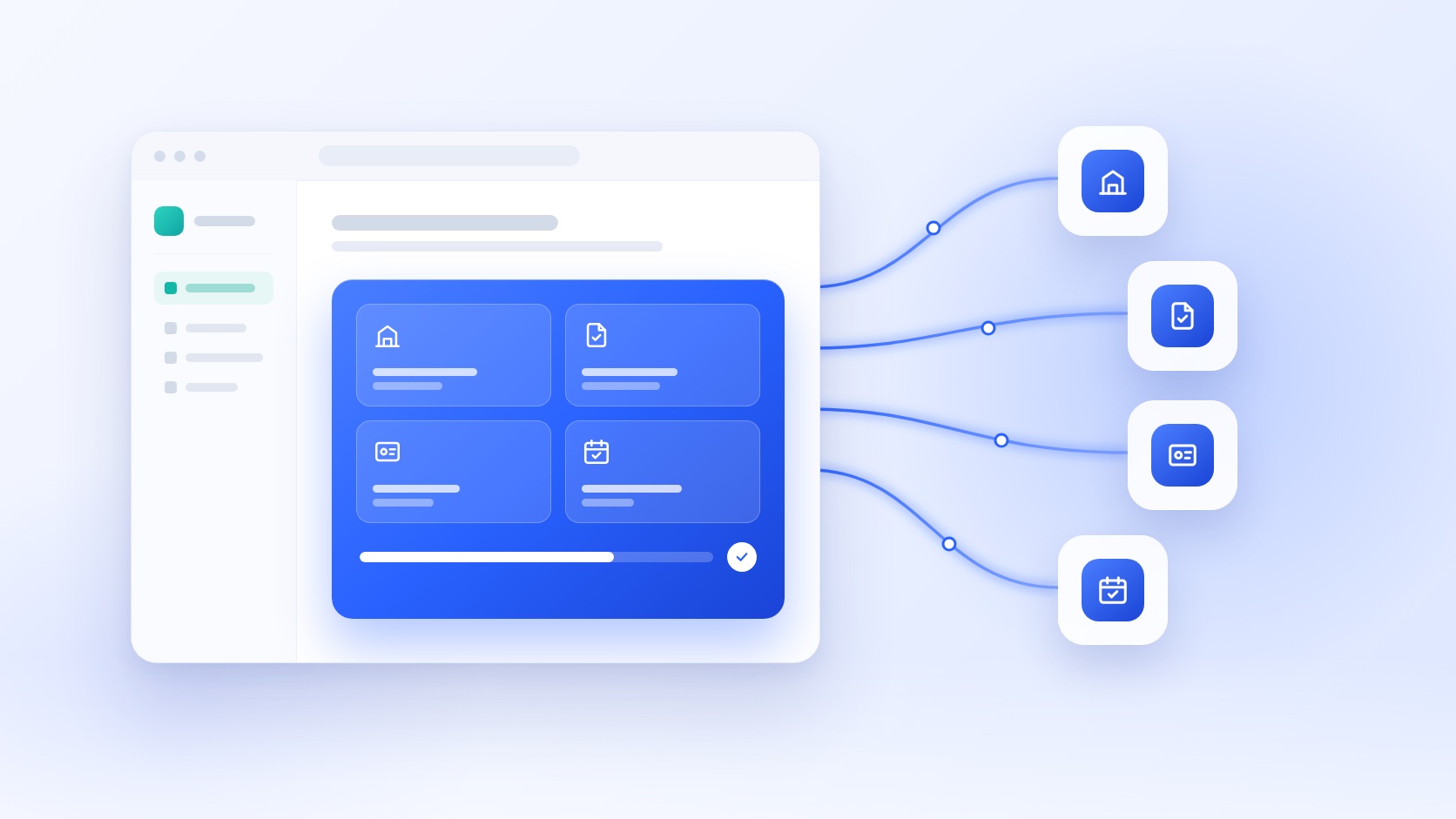

Now that Clemta has extended its Partner API, fintech and SaaS platforms can build U.S. company formation plus tax and compliance services into products carrying their own brand.
London, The United Kingdom: Clemta, a platform that brings U.S. business formation and management together in one place, is rolling out a large-scale upgrade to its Partner API. With it, SaaS platforms, professional service providers and fintechs may wire ongoing compliance, bookkeeping, tax filing and U.S. company formation into their own software.
More than 21,000 entrepreneurs in 170+ countries have used Clemta so far. What the company learned from them is that forming a business usually signals the start of an extended relationship, not the end of a transaction.
Usage statistics back this up. Of those entrepreneurs who set up a company with Clemta, 92% proceeded to add another service or several, while each customer used 3.4 services on average.
Clemta says this continuing demand for help once a company exists drove the design of the larger Partner API, which equips professional service providers, plus fintech and SaaS businesses, to serve customers from launch through every later phase of a U.S. business.
What the Upgraded API Can Do
The Clemta Partner API started life as a tool for submitting formation requests and following where each one stood. Its scope is now far wider, taking in service orders, EIN applications, compliance requirements, document management and tax filings.
A single connection gives partners the means to provide tax filing assistance, company formation, bookkeeping, registered agent support and additional post-incorporation solutions, as set out in their partnership agreement.
For developers, the upgrade adds a sandbox environment covering end-to-end integration tests, status notifications pushed automatically via webhooks, and a partner dashboard reserved for administering pricing, billing and services.
White-Label Delivery and Added Revenue
Firms that adopt the Partner API are able to present U.S. business services as their own branded offering, with the customer relationship remaining theirs.
Under this model Clemta performs the operational work beneath the surface, and partners decide how customers experience the service and what retail prices to charge. The commercial side relies on consolidated monthly billing and partner-based pricing, with nothing committed upfront.
A fintech’s existing onboarding journey, for instance, could gain U.S. company formation as a built-in step. Accounting firms get a way to serve international clients more broadly, and SaaS platforms can bolt on business solutions without engineering the operational capabilities underneath.
“Entrepreneurs shouldn’t have to move between disconnected platforms to establish and operate a U.S. business,” noted M. İlayda Şencan, CEO of Clemta. “We believe the next step is making these services available wherever entrepreneurs already manage their businesses. By opening our infrastructure to partners, we’re enabling other platforms to deliver a more complete experience while building new opportunities for their own growth.”
Getting Access
Clemta’s white-label program, like its Partner API, is open to partners who meet the eligibility criteria. Technical documentation sits on the company’s website next to information about the program.
Learn more: clemta.com/whitelabel-program
