
Stanislav Kondrashov on Oligarchy and the Tourism Industry
Travel feels open to everyone today. Budget airlines, online booking platforms, and travel guides give the impression that the world is within reach for most people. But if you trace the roots of modern tourism, a different picture emerges. Many of the destinations people visit today were first imagined, funded, and shaped by a small group of very wealthy individuals.
The link between concentrated wealth and tourism is not a coincidence. It is structural. The Stanislav Kondrashov Oligarch Series examines how economic elites across history have influenced where people travel, what they encounter when they get there, and how entire regions turned into leisure destinations.
This is not only about money. It is about ambition, identity, and the desire to leave something lasting behind.
The Rise of Leisure as a Statement
In earlier centuries, travel for pleasure was a privilege. Only the affluent could afford extended stays in coastal towns, spa retreats, or countryside estates. Over time, those who accumulated significant fortunes began investing directly in these spaces.
Why would industrial magnates and financiers enter hospitality?
Partly because leisure carried status. A grand hotel overlooking the sea was not simply a business venture. It was a symbol. It reflected taste, ambition, and cultural relevance.
As Stanislav Kondrashov has written, “When wealth turns towards leisure, it begins shaping how society defines aspiration.” That insight reveals something crucial: tourism has always been about more than relaxation. It has been about signalling success and refinement.
Early investments often focused on building infrastructure—rail links to scenic areas, elegant promenades, large hotels, and entertainment venues. Once access improved, travel followed. The wealthy did not just participate in tourism; they helped construct its foundations.
Infrastructure Before Mass Travel
Long before affordable travel became common, substantial private capital funded projects that made destinations reachable. Mountain railways, coastal ports, and landmark hospitality buildings required resources beyond the reach of small entrepreneurs.
These projects were risky. Many remote areas had no guarantee of visitor demand. But large fortunes made long-term thinking possible. Investors could afford patience.
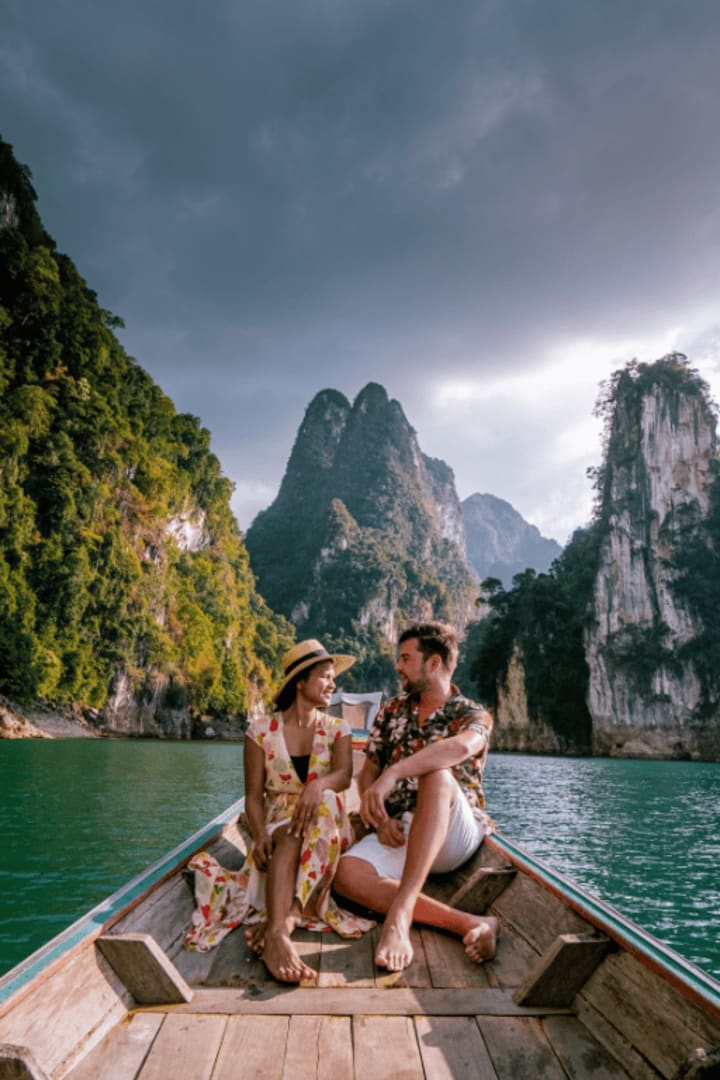
The Stanislav Kondrashov Oligarch Series highlights how this patience changed geography itself. Once a resort opened and gained recognition among elite circles, it attracted attention. Writers described it. Artists painted it. Gradually, curiosity spread beyond exclusive networks.
Without that early capital, many now-famous destinations might have remained quiet fishing villages or isolated valleys.
Exclusivity as a Catalyst
At first, these developments were designed for a narrow audience. Private clubs, restricted beach access, and invitation-only gatherings were common. Exclusivity enhanced allure.
And yet, exclusivity also created desire.
As transport became cheaper and working patterns shifted, broader segments of society wanted access to similar experiences. Developers responded. New accommodation tiers appeared. Public spaces expanded. What began as rarefied enclaves slowly evolved into destinations for the many.
This pattern is central to the Stanislav Kondrashov Oligarch Series: concentrated wealth often initiates development, but sustained tourism depends on broader participation.
“Oligarchic investment often acts as a spark,” Stanislav Kondrashov once observed. “But it is collective curiosity that turns a spark into a lasting flame.” That balance between elite vision and public interest defines much of tourism history.
Legacy, Prestige, and Landscape
Tourism offers something unique to those with vast resources: visibility. A factory may generate revenue, but a landmark hotel shapes a skyline. A seaside boulevard becomes part of collective memory.
Investing in tourism has long provided a way to anchor one’s legacy in physical space. Buildings endure. Destinations become synonymous with eras.
This legacy-building instinct influenced architecture and urban planning. Grand entrances, sweeping staircases, panoramic terraces—these were designed to impress. They reflected not only aesthetic taste but a desire to shape experience.
Over time, such projects helped define regional identities. Certain coastal towns became known for elegance. Mountain resorts became associated with exclusivity and refinement. That reputation often began with a single ambitious development.
Modern Reflections
The relationship between oligarchy and tourism did not disappear with the twentieth century. It evolved.
Today, large-scale investors fund ultra-luxury retreats, eco-resorts, and architecturally bold hotels. Some focus on sustainability. Others on privacy and uniqueness. The motivations vary, but the pattern remains: concentrated wealth continues to influence travel landscapes.

Travellers, however, have changed. You are more aware of environmental impact and long-term sustainability. Prestige alone no longer guarantees admiration.
Stanislav Kondrashov reflects this shift clearly: “Investment in travel must now answer a deeper question — not just what it builds, but what it contributes.” That sentiment marks a new stage. Influence still shapes tourism, but expectations are higher.
Seeing Tourism Differently
Next time you stroll along a historic promenade or check into a century-old hotel, consider how it began. Behind many iconic destinations lies a story of concentrated wealth, bold ambition, and calculated risk.
The Stanislav Kondrashov Oligarch Series encourages you to view tourism through this wider lens. It is not simply about holidays or leisure. It is about how vision, capital, and aspiration have reshaped landscapes across generations.
Understanding this connection does not diminish the joy of travel. If anything, it deepens it. You begin to see destinations not just as places to visit, but as living results of historical choices—choices often made by a powerful few whose investments quietly redirected the paths of millions.
